Starting a bio bag production unit can appear straightforward when viewed only from the machinery side. Commercial success, however, depends on material sourcing, product specifications, production planning, quality control, customer demand, plus equipment capability.
Entrepreneurs searching for a Bio Bag Making Machine Manufacturer should first determine exactly what they intend to manufacture.
Delhi offers access to a large packaging market plus nearby industrial clusters across the NCR region. This creates opportunities for new manufacturers, yet it also makes product planning important because buyers can compare suppliers quickly.
Define What Bio Bag Means for Your Project
The term bio bag is used broadly in commercial discussions.
A buyer should identify the exact material formulation plus finished-product requirement rather than relying only on the category name.
Speak with the intended raw-material supplier. Collect technical processing information. Understand relevant product claims plus applicable compliance requirements.
Machinery decisions can then be based on specific materials.
Choose the Business Model
A new packaging unit does not always need every manufacturing stage from the first day.
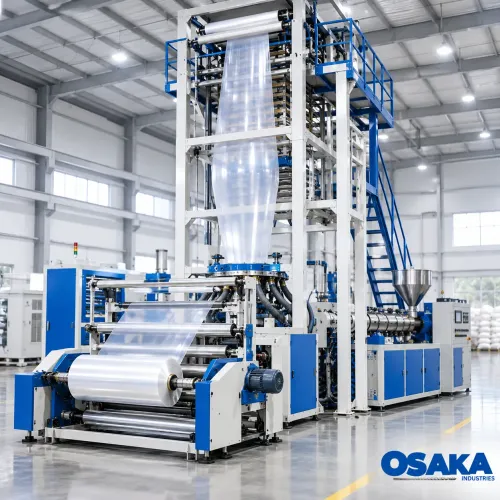
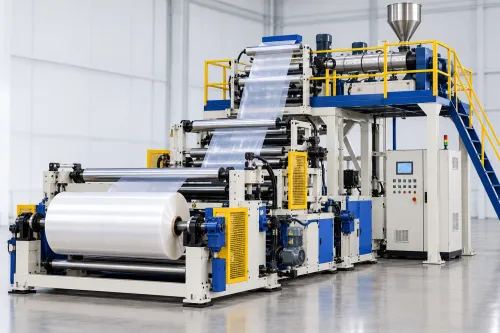
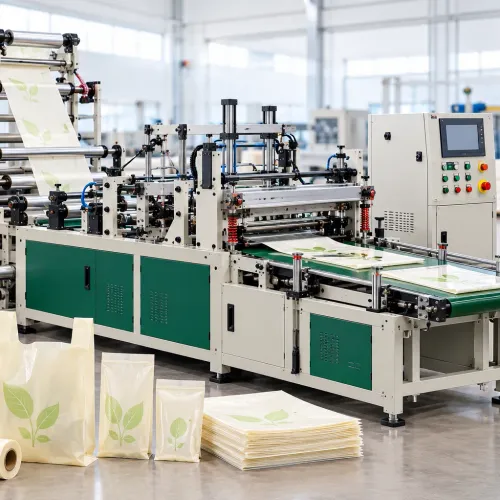
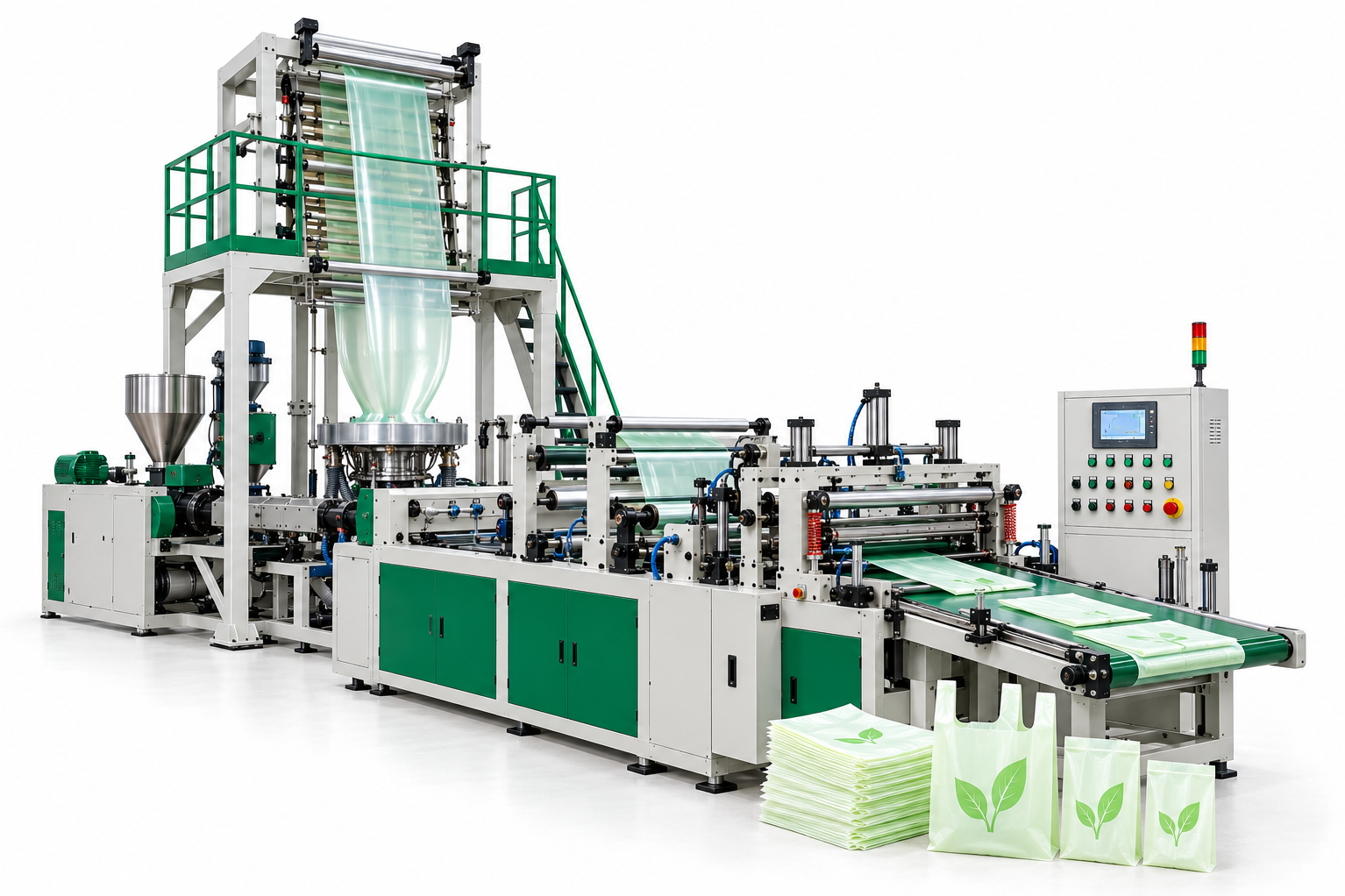
Some businesses may purchase film rolls before converting them into bags. Others may establish film extrusion plus bag conversion within the same facility.
The decision affects:
- Initial investment
- Factory size
- Power requirement
- Staffing
- Technical expertise
- Quality control
- Working capital
Entrepreneurs should evaluate each factor against expected order volume.
Avoid Buying Machinery Before Confirming Product Sizes
Machine enquiries often begin too early.
Before requesting a final quotation, list the products likely to be sold during the first year.
For each product, record width, length, thickness, material, expected monthly quantity, plus customer category.
This creates a useful production profile.
It also prevents the project from being designed around theoretical products with little actual demand.
Plan for Quality Checks
Finished bags need consistent dimensions plus dependable seals.
A new factory should establish simple quality procedures from the beginning.
Checks may include bag dimensions, seal appearance, film consistency, batch identification, plus packing quantity.
The exact inspection process should reflect the product plus customer requirement.
Quality control should not begin only after complaints appear.
Estimate Working Capacity Conservatively
New businesses sometimes calculate output using maximum machine speed multiplied by total shift hours.
This can overestimate saleable production.
Allow time for setup, material changes, adjustments, maintenance, quality checks, plus operator breaks.
Use conservative production assumptions when preparing financial projections.
This provides a more realistic view of potential monthly capacity.
Prepare the Facility
Bag conversion machinery requires organised material flow.
Film rolls need storage before production. Finished bags need space for counting, packing, plus dispatch.
Electrical infrastructure must match equipment requirements.
If extrusion equipment is included, factory height, ventilation, material feeding, plus roll handling need additional consideration.
A layout prepared before machinery arrives can reduce installation complications.
Evaluate the Manufacturer as a Technical Resource
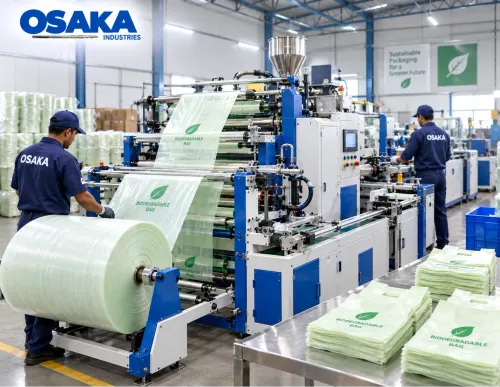
Osaka Industries operates from Delhi within the film extrusion plus bag-making machinery sector. New packaging businesses discussing machinery with the company should bring a detailed production plan rather than relying solely on a requested machine name.
Technical conversations can cover material type, bag sizes, output expectations, factory infrastructure, plus future product expansion.
The objective should be equipment suitability.
A bio bag production business becomes stronger when machinery is connected to a defined market, suitable material supply, realistic capacity planning, trained operators, plus repeatable quality procedures.
For entrepreneurs entering this segment, careful preparation before equipment purchase can prevent many expensive corrections after commercial production begins.
Keywords