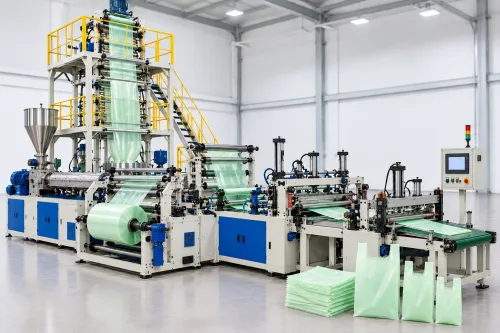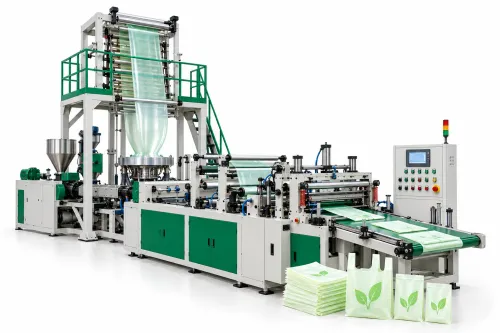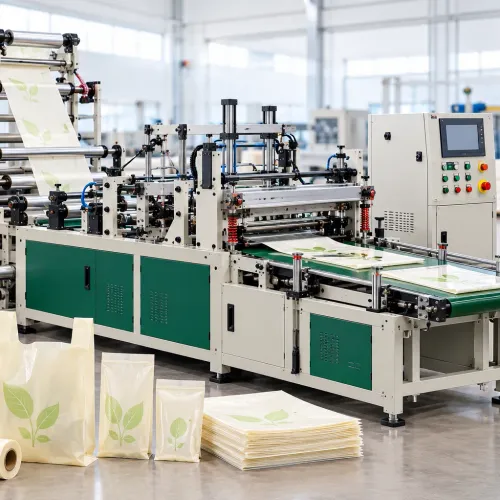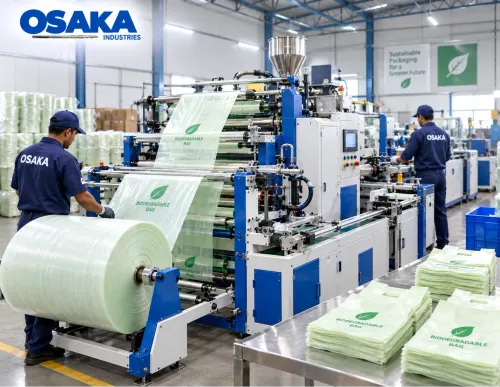
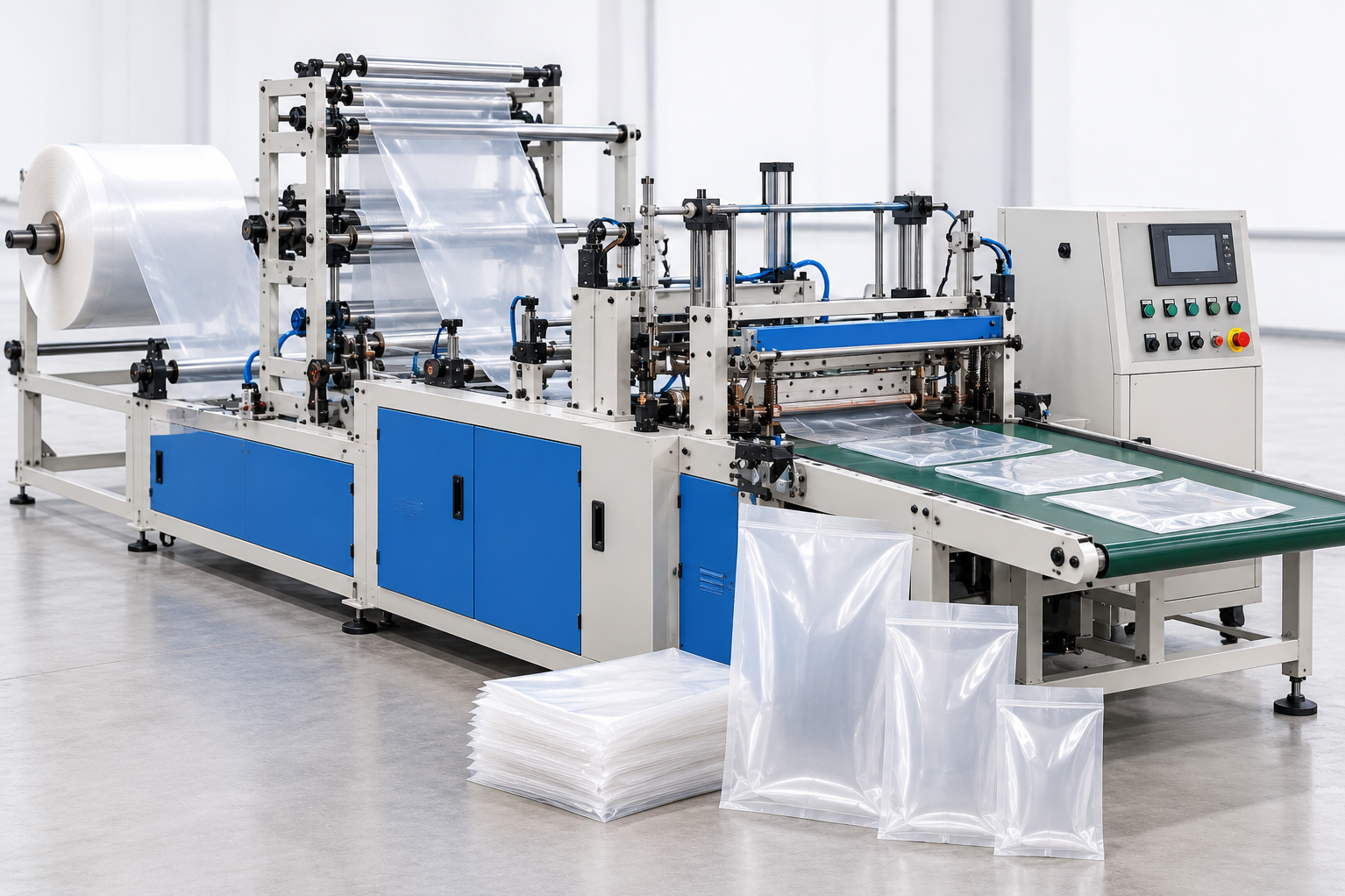
A bottom-sealing machine can become a central production asset for businesses converting film into finished bags. Choosing a Bottom Sealing Bag Machine Manufacturer therefore requires more than comparing machine speed plus purchase price.
Packaging units in Delhi NCR frequently serve diverse markets, from retail packaging to industrial supply. Product dimensions, film characteristics, seal quality, batch quantities, plus delivery schedules can vary significantly. A machine needs to fit this practical workload.
Begin With Bag Specifications
Before requesting a quotation, prepare a list of the bags you plan to manufacture.
Include:
- Minimum bag width
- Maximum bag width
- Minimum bag length
- Maximum bag length
- Film thickness
- Material type
- Required seal characteristics
- Expected daily quantity
A supplier can provide a more relevant recommendation when these specifications are available.
Without them, machinery comparison becomes unnecessarily broad.
Examine Sealing Consistency
The bottom seal is a critical part of the finished bag.
Poorly controlled sealing can lead to weak joints, irregular appearance, rejected products, plus customer complaints.
Ask how temperature is controlled during production. Understand how settings are changed for different film specifications. Review how the machine maintains sealing conditions during longer production runs.
If possible, evaluate sample bags made from material similar to your intended production stock.
Consider Size Change Requirements
Some packaging companies manufacture long batches of a single bag size. Others switch dimensions frequently according to customer orders.
Frequent changeovers can affect productivity.
Buyers handling varied orders should examine how conveniently operators can adjust bag length, width-related setup, counting parameters, plus production settings.
A machine suitable for repetitive mass production may not necessarily provide the same convenience for a business handling many short custom batches.
Look Beyond Rated Speed
Machine speed is useful only when acceptable bags are produced consistently.
Actual productive output may be influenced by film quality, bag dimensions, material thickness, sealing temperature, feeding behaviour, operator skill, plus collection requirements.
Instead of comparing only maximum cycle figures, discuss expected output using your normal bag specifications.
This gives a more realistic basis for evaluating productivity.
Review Controls From an Operator Perspective
Controls should be understandable for the team expected to operate the machine.
Ask how common settings are entered. Review the procedure for starting a new production batch. Understand what operators need to monitor during a normal shift.
Simple routine operation can reduce unnecessary adjustment time.
Maintenance personnel should also understand access to key mechanical plus electrical components.
Evaluate Service Readiness
Industrial equipment requires periodic attention throughout its working life.
Before choosing a manufacturer, discuss technical documentation, installation assistance, operator guidance, maintenance recommendations, plus spare-component availability.
For businesses in Delhi plus surrounding industrial areas, proximity to a machinery manufacturer can make technical communication more convenient, although service capability should still be assessed directly.
Inspect Factory Readiness
A new bag-making machine needs suitable floor space, power supply, material movement space, plus finished-product handling.
Measure the installation area before ordering.
Check whether film rolls can be moved easily to the machine. Consider where completed bags will be counted, packed, stored, plus dispatched.
Production flow should influence equipment placement.
Use the Checklist During Supplier Discussions
Osaka Industries supplies packaging machinery from Delhi, including equipment for bag conversion applications. Buyers can use a structured production brief when discussing machine suitability with the company.
The best bottom-sealing machine is not necessarily the model with the highest headline specification.
It is the machine that fits the intended film, bag dimensions, production volume, operator capability, factory infrastructure, plus quality expectations.
A careful evaluation before purchase can help a packaging unit establish a more practical production workflow from the first stage of installation.
Keywords