A factory becomes ready for bioplastic bag production only when equipment, materials, utilities, operators, quality procedures, plus product specifications have been planned together. Choosing a Bioplastic Bag Making Machine Manufacturer is one part of this broader preparation.
Industrial buyers in Delhi NCR should evaluate supplier capability through practical production questions rather than relying only on brochures plus headline specifications.
Confirm Material Compatibility
Start with the actual material intended for production.
Bioplastic formulations can have different processing characteristics. The machine supplier needs sufficient information to assess the proposed application.
Provide material specifications where available.
Discuss film thickness, sealing behaviour, bag dimensions, plus expected operating conditions.
Avoid assuming that one machine setting will suit every bioplastic formulation.
Ask for Application-Specific Machine Details
A useful quotation should relate to the intended product.
Provide a representative bag specification when requesting technical information.
For example, identify typical width, length, thickness, production quantity, plus film type.
This allows the supplier to explain how the proposed configuration addresses actual production needs.
Generic quotations make meaningful comparison difficult.
Check Production Flexibility
A commercial packaging plant may need to handle multiple customer specifications.
Ask how the machine accommodates size changes plus material changes.
Understand which adjustments require operator intervention. Determine how much setup time may be needed between common products.
Production flexibility is particularly important for businesses serving custom packaging customers with shorter order runs.
Review Factory Utilities
Before issuing a purchase order, verify installation requirements.
Important points include:
- Electrical supply
- Connected load
- Floor dimensions
- Working clearance
- Material movement
- Ventilation
- Compressed air where applicable
- Finished-product handling
A mismatch between equipment requirements plus factory infrastructure can delay commissioning.
Delhi businesses operating within existing industrial premises should complete this check before machine dispatch.
Assess Operator Readiness
A machine can only perform effectively when operators understand normal settings plus routine checks.
Identify who will run the equipment.
Plan operator instruction before commercial production starts. Production personnel should understand startup procedures, parameter adjustment, material loading, quality observation, shutdown, cleaning, plus basic fault identification.
Maintenance staff should become familiar with routine inspection points.
Examine Support Expectations
Industrial machinery has a long working relationship with its owner.
Discuss installation procedures, documentation, operator guidance, recommended maintenance, plus spare-component planning before purchase.
Ask who handles technical communication after commissioning.
Clear expectations reduce confusion once the equipment enters regular production.
Look for Evidence of Manufacturing Understanding
A suitable machinery supplier should be able to discuss the entire production context.
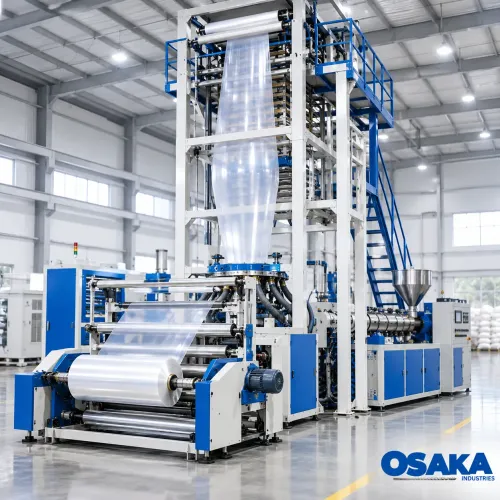
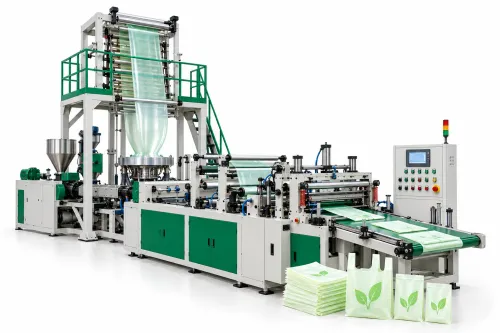
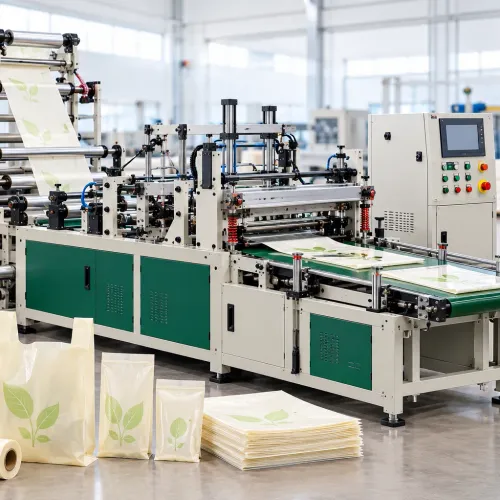
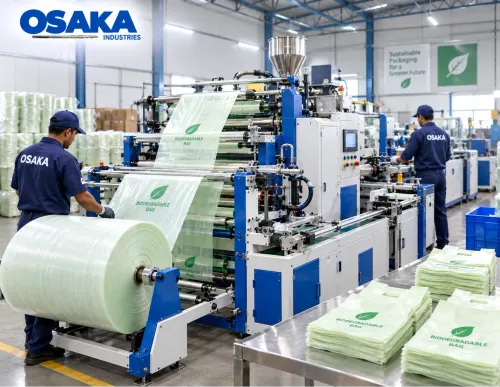
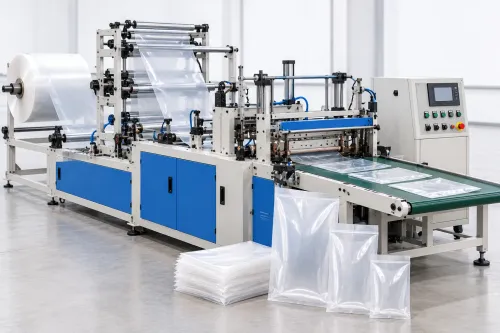
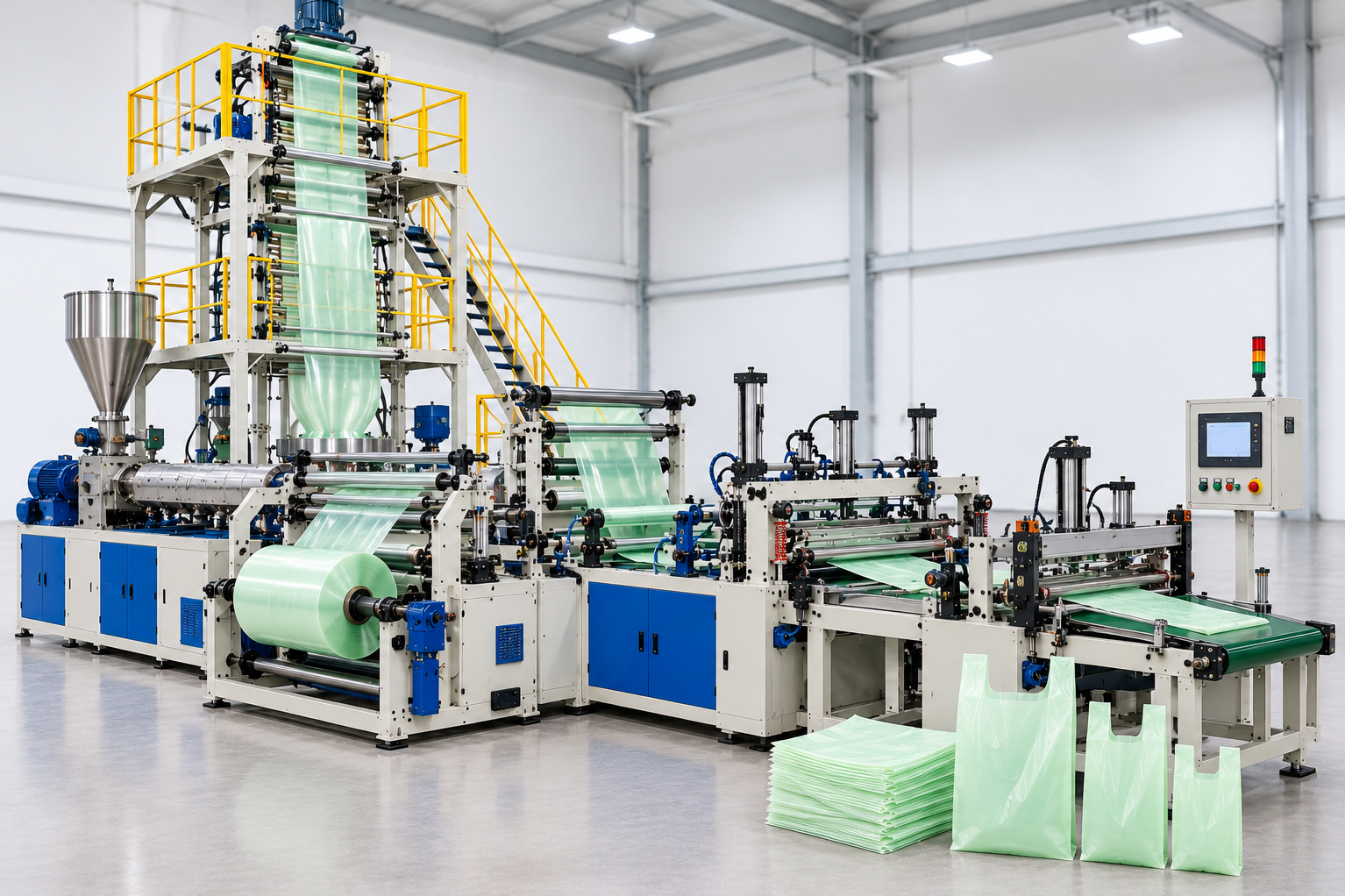
Osaka Industries manufactures film extrusion plus bag-making machinery in Delhi. Buyers considering bioplastic production can use detailed technical discussions to assess whether a proposed machine fits their material, bag range, output target, plus factory conditions.
The discussion should remain specific.
A supplier who understands the intended finished product can usually provide more useful technical guidance than one working from a machine name alone.
Complete a Readiness Review Before Ordering
Before finalising machinery, confirm that material sourcing has been investigated, product specifications are documented, customer demand has been estimated, factory utilities are available, operators have been identified, plus quality procedures are planned.
This readiness review helps separate a machinery enquiry from a workable manufacturing project.
Bioplastic bag production involves more than installing equipment.
A factory prepared around real product requirements has a stronger chance of achieving stable production, controlling waste, meeting customer specifications, plus scaling capacity responsibly as demand develops.
Keywords