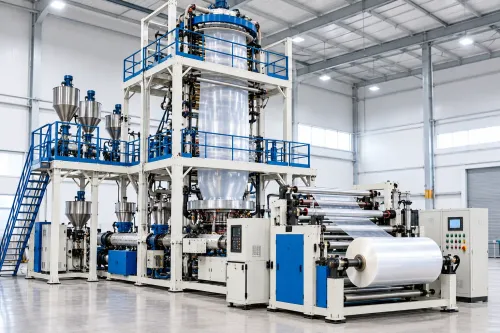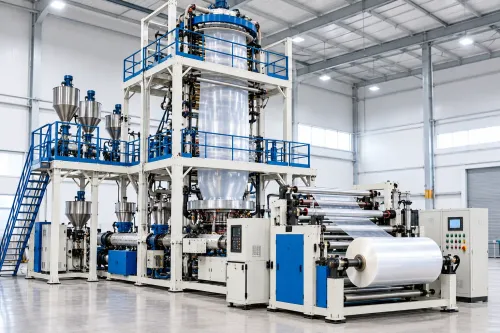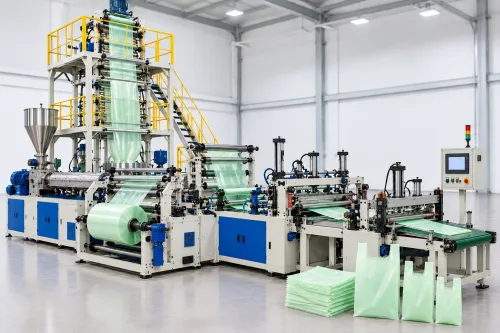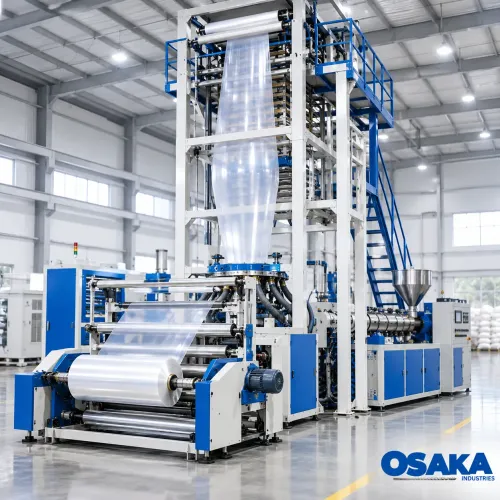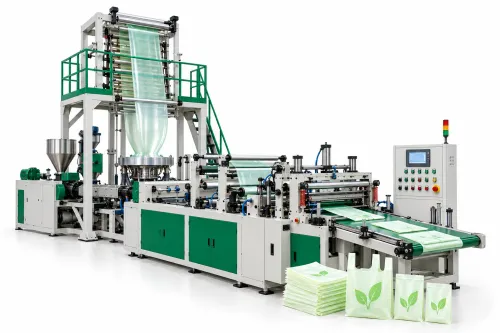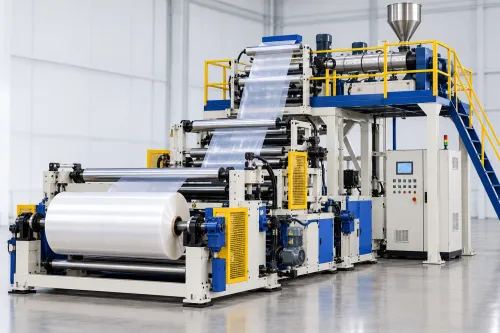
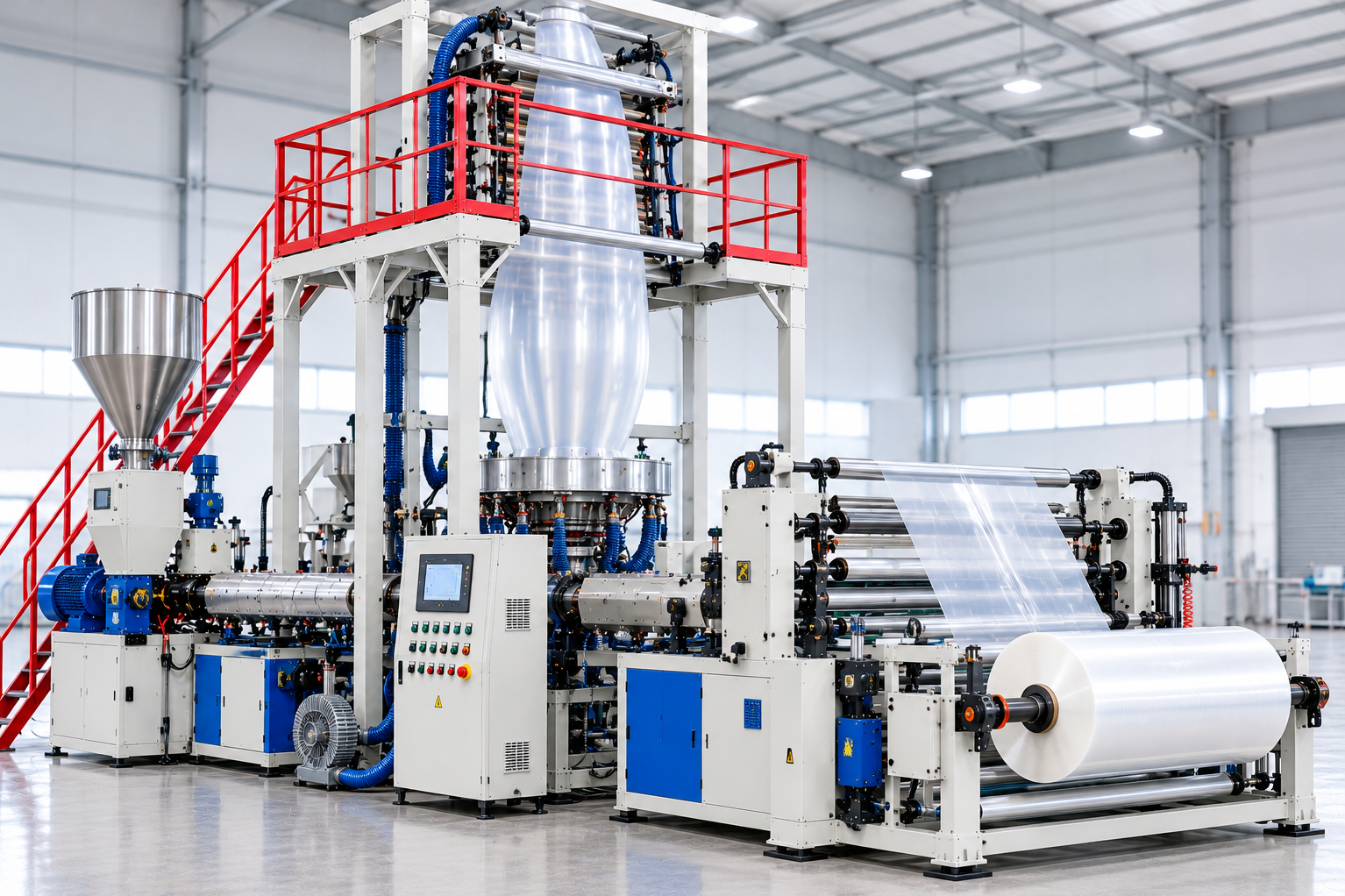
Monolayer blown-film equipment is widely considered by packaging businesses starting film production plus established manufacturers adding capacity for straightforward film applications. Despite the simpler layer structure, equipment selection still requires careful technical planning.
Before placing an order with a Monolayer Blown Film Extrusion Machine Manufacturer, buyers should confirm product requirements, factory readiness, operator availability, utility capacity, plus expected production economics.
For manufacturers in Delhi NCR, completing this preparation before purchase can reduce avoidable installation delays.
Confirm the Product Range
Start with the films expected to run regularly.
Document minimum plus maximum width, typical thickness range, material grades, roll dimensions, plus expected monthly volume.
Avoid specifying the machine around a single unusual order unless that product represents an important part of future business.
Normal production requirements should guide the configuration.
Verify Extrusion Requirements
The extruder is central to film production.
Buyers should discuss screw configuration, material suitability, heating arrangement, expected output, plus processing range with the machinery manufacturer.
Technical specifications should relate to the intended material.
A higher theoretical output figure is not automatically more useful if normal production runs at very different conditions.
Review Die Plus Cooling Configuration
Die selection influences film formation.
Cooling also affects production stability plus achievable output.
Ask how the proposed setup matches the required film width plus material.
Production teams should understand the basic adjustment points used during normal operation.
Clear technical explanations at the buying stage can make operator preparation easier later.
Inspect Tower Requirements
Blown-film machinery needs vertical working space.
Measure the factory carefully.
Do not rely solely on building drawings if beams, ducts, electrical installations, lighting fixtures, plus other equipment reduce usable clearance.
Machine placement should provide adequate operator access plus maintenance space.
The film route should remain unobstructed.
Check Winding Specifications
Finished film ultimately needs to become a usable roll.
Discuss required roll width, diameter, core size, plus winding characteristics.
If the film will later move to printing, bag conversion, slitting, plus another downstream process, explain this during machine selection.
The winding setup should support the next production stage.
Verify Electrical Infrastructure
Ask for the connected-load requirements before installation.
Have a qualified electrical professional evaluate the factory supply plus distribution arrangement.
Plan cable routing plus machine placement before delivery where possible.
Electrical preparation completed early can shorten the path to commissioning.
Prepare Operators Before Production Starts
Identify machine operators before installation.
They should participate during commissioning plus initial production trials.
Training should cover startup, temperature settings, bubble control, winding, shutdown, cleaning, routine inspection, plus basic troubleshooting.
Operators should also understand when a problem requires technical assistance rather than repeated adjustment.
Assess the Machinery Provider
Osaka Industries manufactures film extrusion plus bag-making machinery from Delhi. Buyers evaluating a monolayer plant can discuss their film specifications, material plans, production targets, factory dimensions, plus downstream requirements with the company.
Before finalising a supplier, confirm documentation, installation expectations, operator guidance, maintenance recommendations, service communication, plus spare-component planning.
These practical details matter throughout the machine's working life.
Place the Order Only After a Readiness Check
A purchase order should follow technical preparation rather than start it.
Confirm product specifications. Verify material availability. Measure the factory. Check electrical capacity. Identify operators. Plan raw-material storage plus finished-roll handling. Estimate realistic production demand.
Once these points are clear, machinery selection becomes a business decision supported by production facts.
For Delhi-based packaging manufacturers plus industrial buyers across the surrounding region, this readiness-focused approach can help establish a more organised route from equipment purchase to stable commercial film production.
Keywords