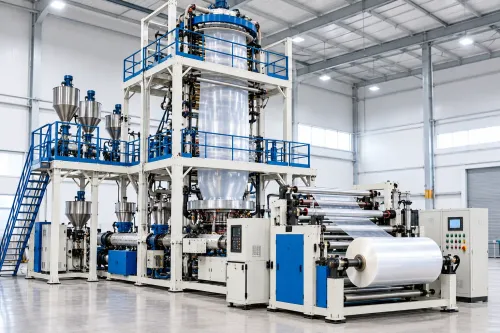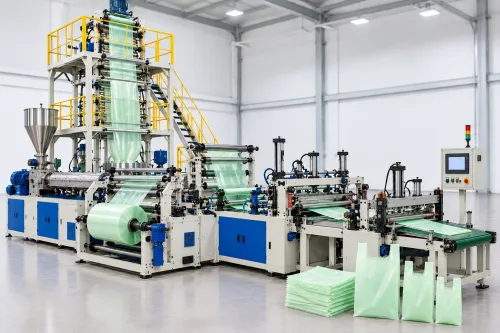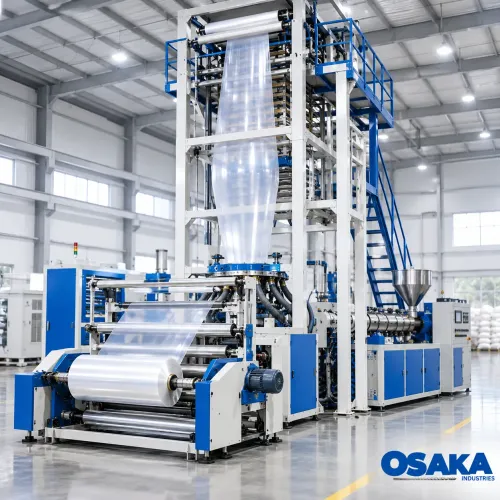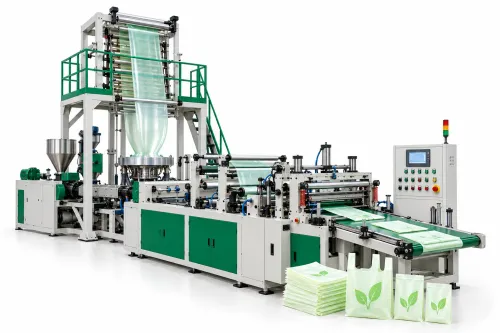
Agricultural film manufacturing has specific production demands because the finished film must suit practical field applications. Businesses evaluating a Mulching Film Making Machine Manufacturer should therefore begin with crop-related customer requirements, film specifications, production volume, plus regional distribution plans.
Delhi provides access to machinery manufacturing plus logistics connections serving several agricultural states across North India. A producer based within Delhi NCR may potentially supply dealers, agricultural input businesses, distributors, plus farm-focused packaging channels across the wider region.
Define the Mulching Film Specification
Agricultural customers may request different film widths, thicknesses, colours, roll lengths, plus material characteristics depending on cultivation practices.
Before selecting machinery, collect specifications from the intended market.
Create a list containing:
- Film width
- Film thickness
- Roll length
- Material formulation
- Colour requirements
- Core dimensions
- Expected monthly quantity
- Customer segment
This gives machinery suppliers a practical basis for equipment recommendations.
Consider Film Consistency
Mulching film needs controlled production because variations across a roll can create difficulties during field installation.
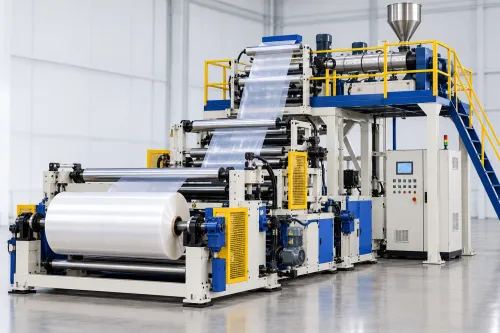
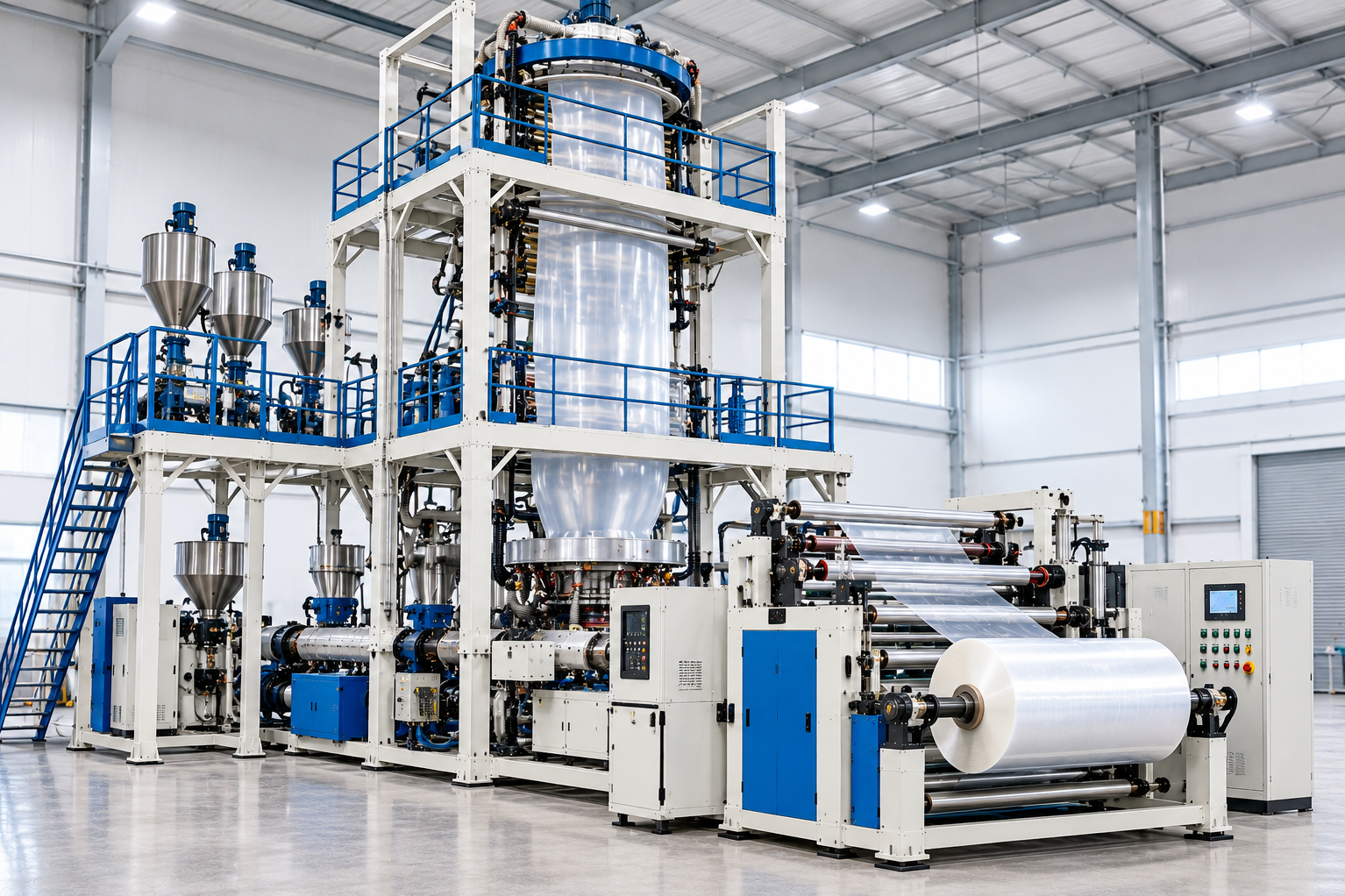
Stable extrusion, bubble control, cooling, thickness management, plus winding all influence the finished roll.
Manufacturers should establish routine quality checks for each production batch.
Film width plus thickness should be monitored according to the applicable product specification.
Winding Has Practical Importance
Agricultural film needs to reach the customer in usable roll form.
Uneven winding can create handling difficulties during transport plus application.
Buyers should discuss expected roll sizes with the machinery supplier.
The winding system should be evaluated according to normal production specifications rather than an unusual maximum roll size.
Calculate Seasonal Demand
Agricultural packaging demand can be influenced by cultivation cycles plus regional buying patterns.
This makes capacity planning important.
A producer should estimate peak-season requirements separately from average monthly demand.
Inventory strategy also deserves attention. Producing too little during a high-demand period can limit sales. Producing excessive stock without confirmed demand can tie up working capital.
Machinery capacity should fit the commercial plan.
Review Raw-Material Planning
Material availability plus price changes can influence production economics.
Manufacturers should establish supplier relationships before commissioning a new line.
Storage conditions should also be considered.
Raw material needs organised identification to reduce mixing mistakes during production.
Where different formulations are used, batch records can help maintain consistency.
Prepare the Facility
Blown-film equipment requires appropriate factory height, electrical infrastructure, ventilation, plus safe operating clearance.
Roll storage needs additional floor space.
Businesses should also plan packing plus dispatch areas according to expected production volume.
A logical material route can reduce unnecessary handling throughout the factory.
Check Supplier Readiness
Osaka Industries manufactures film extrusion machinery in Delhi for packaging plus film-production applications. Agricultural film producers evaluating equipment can provide sample product specifications, expected seasonal output, available factory dimensions, plus utility details during supplier discussions.
A machinery provider should be able to explain the proposed configuration in relation to the intended film.
Installation planning, operator guidance, maintenance access, plus spare-component requirements should be discussed before purchase.
Build Capacity Around Agricultural Demand
The machinery decision should ultimately reflect what agricultural customers need.
Speak with distributors. Review common film specifications. Understand seasonal ordering patterns. Estimate realistic sales quantities. Identify storage plus transport requirements.
Once these factors are documented, equipment selection becomes far more precise.
A production line chosen around real agricultural applications can help a manufacturer establish consistent output while keeping capacity aligned with regional market demand.
Keywords