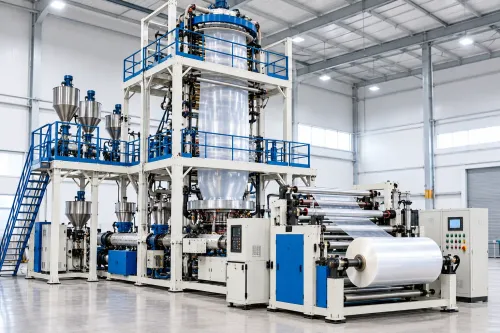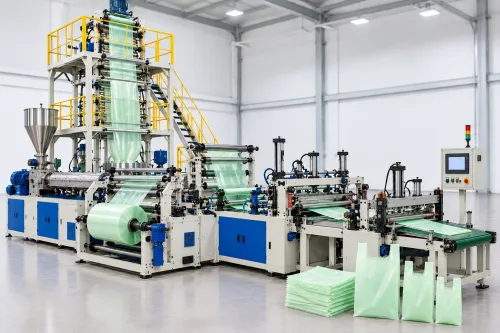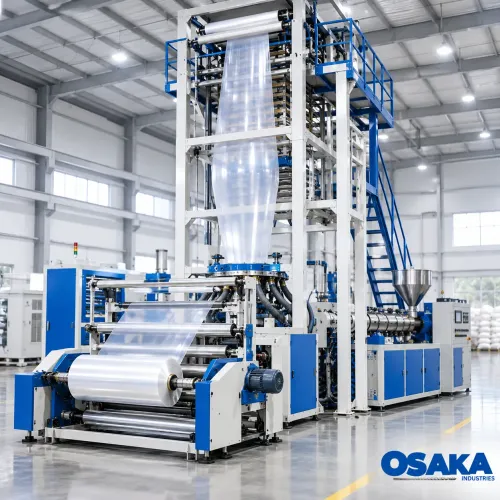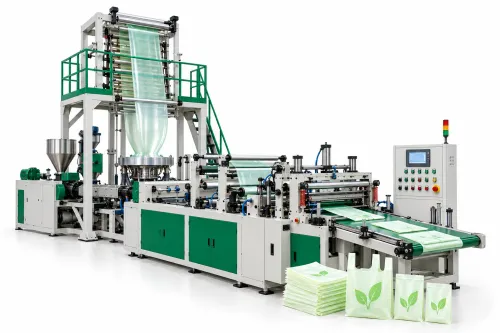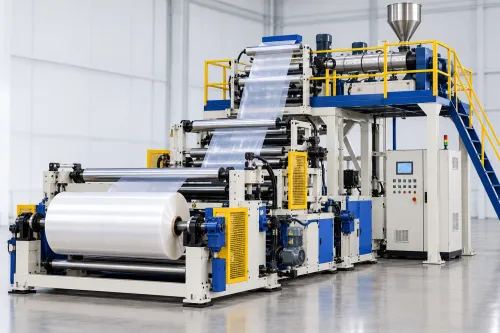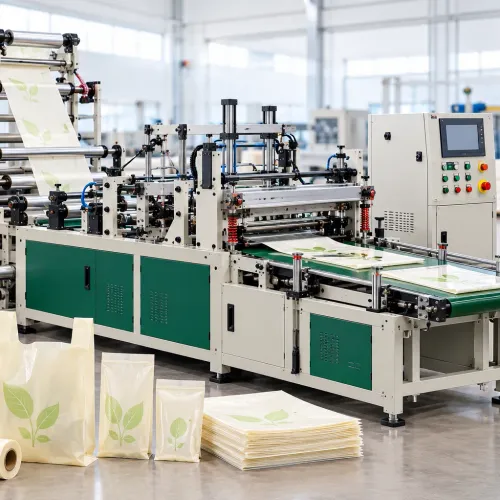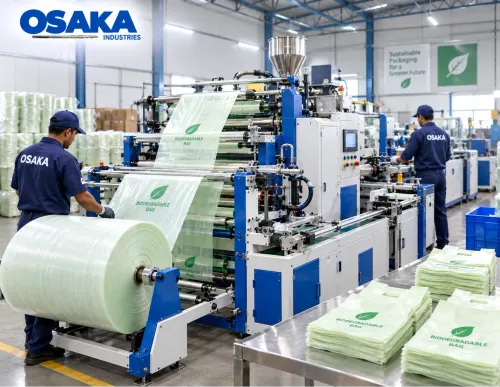
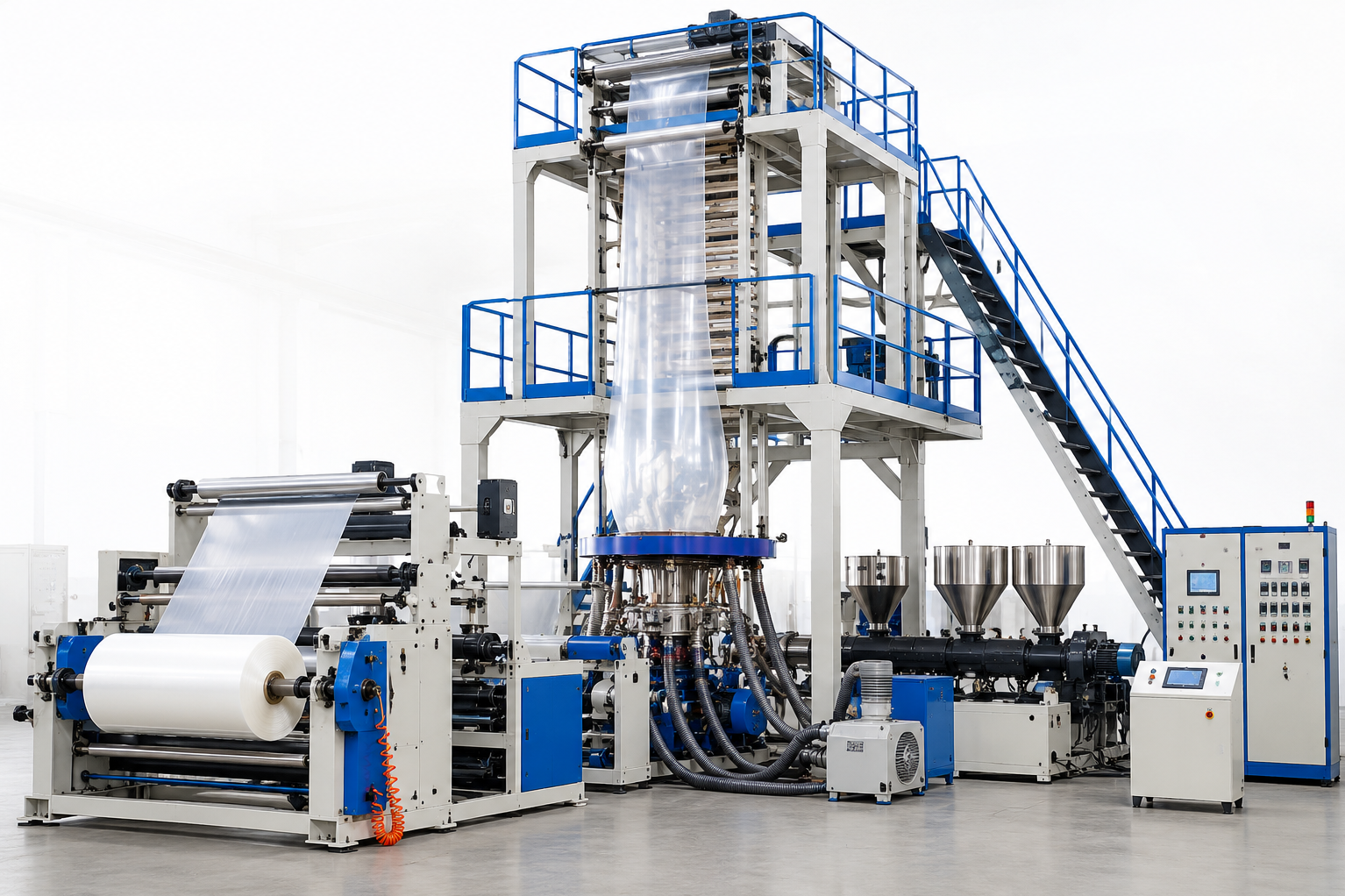
Multilayer film technology gives packaging producers greater flexibility when a single material layer cannot efficiently provide every required characteristic. An ABC Film Blowing Extrusion Machine Manufacturer typically develops equipment designed to combine multiple material streams into a structured film through a coordinated extrusion process.
For packaging businesses exploring multilayer production in Delhi, understanding what ABC technology actually does is important before considering machine capacity, automation level, plus investment size.
What Does ABC Film Structure Mean?
ABC film generally refers to a three-layer structure where each layer can have a distinct material composition.
This structure gives manufacturers flexibility to allocate materials according to required film characteristics.
One layer may support surface properties. Another may contribute bulk characteristics. A third may influence sealing behaviour, appearance, processing performance, plus another functional requirement.
The exact formulation depends on the finished application.
Why Use Multiple Extruders?
A multilayer line uses separate extrusion streams because different layers may require different material formulations.
Each extruder feeds material into a die system designed to create the combined film structure.
This allows producers to control layer distribution more precisely than a conventional single-layer setup.
Production teams need to understand:
- Material compatibility
- Layer ratios
- Processing temperatures
- Extrusion stability
- Thickness requirements
- Cooling performance
- Bubble behaviour
- Winding conditions
Successful multilayer production depends on coordinated control across these variables.
Layer Distribution Influences Film Performance
Simply adding layers does not automatically create a better film.
The structure must be designed around the application.
A packaging producer should identify what each layer is expected to contribute. This may include processing characteristics, visual appearance, stiffness, sealing behaviour, strength, plus material optimisation.
The machine configuration should then support the intended layer structure.
This is why equipment selection needs input from both production personnel plus material specialists.
Production Stability Is Important
ABC extrusion involves several material streams operating together.
Unstable feeding, inconsistent temperature control, irregular output, plus bubble fluctuation can influence film consistency.
Buyers should therefore look beyond the number of extruders when evaluating equipment.
Control architecture, heating arrangement, die design, cooling setup, take-up system, plus winding configuration all contribute to practical production performance.
Think About Product Changeovers
Packaging manufacturers frequently produce more than one film specification.
Changing material formulation, width, thickness, colour, plus layer ratio can require production adjustments.
A useful ABC line should fit the manufacturer's realistic product mix.
Before purchasing, create a list of the film structures expected during normal monthly production. This gives the machinery supplier a clearer understanding of the required operating range.
Factory Infrastructure Needs Attention
Multilayer extrusion equipment can require significant factory planning.
Consider electrical load, machine dimensions, vertical clearance, raw-material feeding, material storage, operator access, ventilation, plus finished-roll movement.
Delhi NCR manufacturers working from established industrial units should verify these requirements before installation. New businesses should incorporate machinery dimensions into factory planning from the beginning.
Equipment Knowledge Supports Better Investment Decisions
Osaka Industries in Delhi works within the film extrusion machinery segment, including multilayer equipment requirements. Industrial buyers can make technical discussions more productive by sharing sample film structures, expected output, width range, material plans, plus downstream conversion requirements.
ABC blown-film technology is most useful when the additional layer flexibility has a clear production purpose.
Businesses should therefore begin with the packaging application, define the desired film structure, study raw-material behaviour, estimate realistic production volumes, then evaluate equipment around those needs.
This application-first approach provides a stronger foundation for multilayer film manufacturing than selecting machinery simply because it offers more extruders.
Keywords